Relocating a warehouse or shop to Mobile can look simple on paper, but the real timeline usually depends on what happens before move-in day. If you are trying to line up trucks, staff, equipment, and a new address, it helps to know where delays usually show up. This checklist walks you through the practical order for a Mobile move so you can plan around zoning, permits, utilities, inspections, and final approvals with fewer surprises. Let’s dive in.
Start With Zoning Fit
Before you sign a lease or close on a property, confirm that your intended warehouse or shop use fits the site’s current zoning. In Mobile, zoning is a core part of the approval process, and a zoning clearance is required to complete the project and open the business. The city also requires that zoning clearance be attached before a business license application can be processed.
This step matters because zoning can affect more than just whether your use is allowed. It can also shape parking, lot layout, height, and site design. If the use does not fit as-is, you may need additional review such as a conditional use, rezoning, or planned development review.
Zoning questions to answer first
- Is your warehouse or shop use allowed in the current zoning district?
- Will the project need a conditional use, rezoning, or another land use review?
- Is the site in a historic district or the Downtown Development District?
- Is the property in a flood zone?
- Can the site physically support your loading, parking, and outside equipment needs?
If you need a formal zoning certification letter, Build Mobile says to allow up to 10 business days for processing. That can affect your timeline early, so it is worth checking as soon as a property becomes a serious option.
Check the Site Layout Early
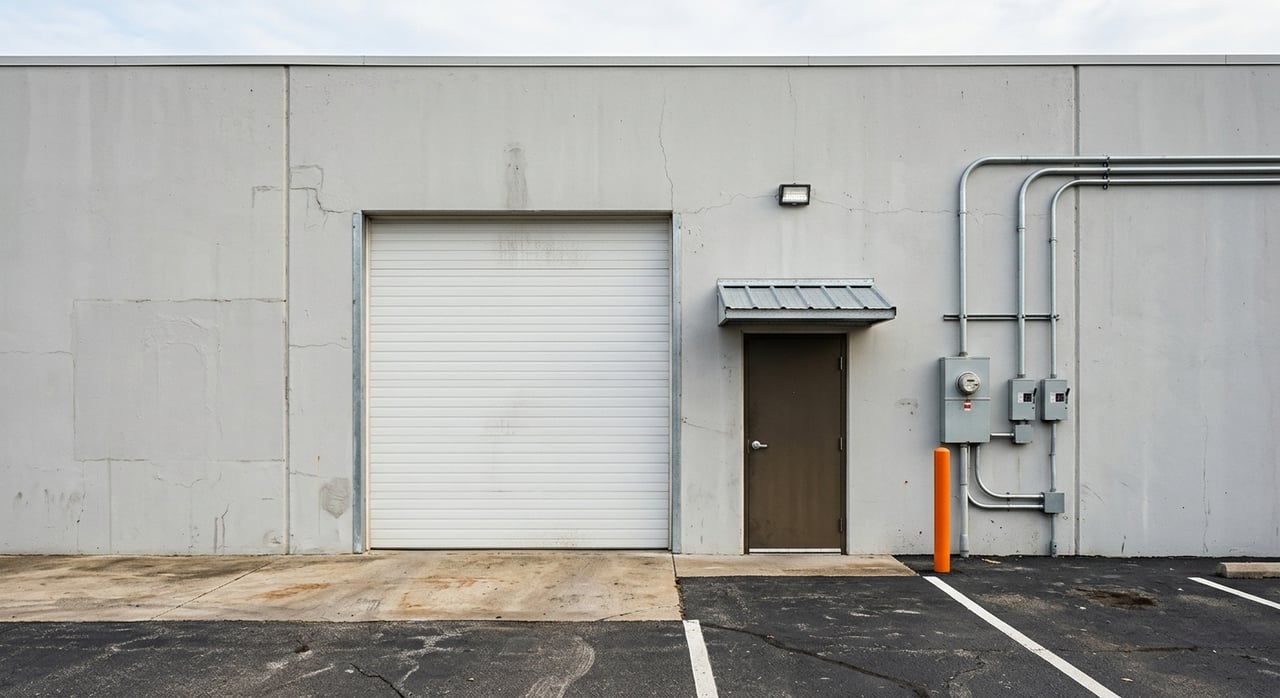
For warehouse and shop users, the site itself often decides whether a move works well long term. A building may have enough square footage inside but still fall short outside if trailer movement, dock access, or parking is tight. Mobile’s review process expects these site details to be shown clearly before approval.
You will want to think beyond the front door. Your plan should account for drive access, parking counts, loading areas, setbacks, sidewalks, dimensions, and any outdoor equipment. If these items do not fit cleanly on the site, the issue is better caught before you commit money to the move.
Loading and parking items to review
For wholesale distribution, warehousing, and storage uses, Mobile’s UDC lists parking at 1 space per 3 employees. Off-street loading is generally expected on the same site unless a shared loading plan is approved. The city also expects loading areas to be arranged so vehicles are not forced to back from the street into the loading area.
Large loading spaces require:
- 14-foot overhead clearance
- 12-foot width
- 50-foot length
Small loading spaces require:
- 10-foot clearance
- 10-foot width
- 20-foot length
Loading areas also need proper drainage and an approved surface such as concrete, asphaltic concrete, or asphalt. In short, if your operation depends on trucks, forklifts, service vehicles, or outdoor staging, make that part of your property review from day one.
Plan the Permit Sequence
Once the site fits your operation, the next step is understanding the approval path. In Mobile, a relocation or tenant build-out can involve several tracks at once, including zoning clearance, building permits, trade permits, and possibly engineering or land-disturbance review. The exact path depends on the project scope.
The city’s published commercial process generally follows this order: land use and zoning review, engineering or flood-related review as needed, departmental plan reviews, permit issuance, inspections, and then certificate of occupancy. That sequence is useful because it shows why a move can stall even when the lease is signed and the contractor is ready.
Permits that may apply
Depending on the work, your project may need:
- Building permit
- Electrical permit
- Mechanical permit
- Plumbing permit
- Fuel-gas permit
- Land disturbance permit for clearing, grading, excavating, filling, or similar site work
If the work changes grade, drainage structures, or impervious surface, Build Mobile notes that a professional engineer is needed. Detailed plans may also require an architect. For many warehouse and shop moves, that means your timeline is tied not just to city review, but also to how quickly your design and contractor team can produce complete documents.
Get Your Plans in Order
Incomplete submittals often create avoidable delays. Mobile’s commercial plan review checklist calls for stamped and sealed construction drawings by a licensed Alabama design professional, along with a site plan and code information. If your drawings leave out major details, review comments can push the project back.
A strong permit package usually includes the basics of how the site and building will function after the move. That includes zoning information, setbacks, parking, drives, dimensions, sidewalks, landscaping or tree plan, outside equipment, a building code summary, and contact information. For some projects, additional items such as flood-zone paperwork, historic review documents, COMcheck information, supervision letters, or land-disturbance paperwork may be required.
A practical tip for smoother review
Before you submit, compare your plans to how your business will actually operate. Ask simple questions like: Where do trucks queue? Where does inventory unload? Where will employees park? Where does outside equipment sit? The clearer those answers are on paper, the easier the review process tends to be.
Coordinate Utilities Before Move Day
Utilities are easy to underestimate during a relocation. If power or water is delayed, your opening date can slide even if the construction work is complete. In Mobile, utility setup should happen well before you start calling movers.
Alabama Power says business customers can request temporary or permanent service up to 45 days in advance. MAWSS says new commercial water service requests generally take 24 to 48 hours to process and are handled the next business day or later. Those lead times are not long compared with a full build-out, but they are long enough to disrupt a tightly packed move schedule.
Utility checklist
- Request electric service early if your operation depends on equipment, lighting, or climate control
- Confirm whether you need temporary power during construction or only permanent service
- Prepare your company name, contact information, address, tax ID, and W-9 for power setup
- Submit commercial water service requests before final move coordination
- Confirm utility activation dates against your permit and inspection timeline
Flag Fire Review and Life-Safety Items
Fire review is another step that can affect warehouse and shop openings in a major way. Mobile Fire-Rescue reviews new construction and renovations, including fire alarm, sprinkler, and certain suppression systems. A fire inspection is required for all new business licenses and before a certificate of occupancy is issued.
The department asks for 48 hours’ advance notice for these inspections. Common plan-review issues include incomplete code studies, missing fire-access roads, missing hydrant or water-flow information, and incomplete high-pile storage details. If your operation involves tall storage, dense storage, or specialized equipment, it makes sense to address those details early instead of waiting for final review.
If you need early access
If you want to move in fixtures or stock before final opening, the Fire Department says permission to stock may be granted once fire protection systems are fully installed, inspected, tested, and approved. That can help with staging, but it is not the same as full opening approval. You still need to complete the remaining closeout steps.
Finish With CO and Business License
The final stretch of a Mobile relocation is about closeout, not construction. To open for business, you generally need the right inspections completed, your certificate of occupancy in place, and your business license processed. This is where many move plans get too aggressive.
The city’s commercial CO request says to allow three business days once all required information has been received and approved. The CO FAQ also notes that all inspections must be approved for at least a temporary CO, and that zoning and tree inspections are scheduled when the CO request is submitted. For a final CO, landscaping and parking must match the approved site plan.
The business license step matters too. The City of Mobile requires a business license for anyone doing business from, into, or within the city and police jurisdiction. Separate physical locations require separate business licenses, and renewals run annually by December 31.
A Simple Relocation Checklist
If you want the process in one place, use this order:
- Confirm zoning fit before signing
- Check flood zone, historic status, and district overlays
- Test the site for loading, parking, circulation, and outside equipment
- Hold a predevelopment meeting if the project is complex
- Line up your architect, engineer, contractor, or trade professionals as needed
- Prepare complete plans and submit through the city’s permitting system
- Apply for building and trade permits, plus land-disturbance approval if site work is involved
- Request power and water on the right timeline
- Schedule required inspections, including fire review
- Request your certificate of occupancy after all approvals are in place
- Apply for your business license with zoning clearance attached
- Schedule the moving truck only after the approval path is lined up
Why the Sequence Matters in Mobile
The biggest mistake in a warehouse or shop relocation is treating the move as a one-day event. In Mobile, the real work is front-loaded. Zoning, loading design, permit review, utilities, fire approval, and closeout documents all shape when you can actually occupy the space and operate.
That is why practical planning beats rushed planning. If you handle the process in the city’s published order, you give yourself a better chance of opening on time and avoiding expensive downtime between lease start and business launch.
If you are weighing warehouse or shop options in Mobile, the right property is not just about square footage. It is about whether the site, approvals, and move timeline match the way your business actually runs. When you want a direct conversation about space fit, leasing strategy, and next steps, connect with Richard Henry.
FAQs
What should you check before leasing a warehouse or shop in Mobile?
- You should confirm zoning fit, loading access, parking, flood-zone status, historic or district overlays, and whether the site can support your operational layout before signing.
What permits might a Mobile warehouse or shop relocation need?
- Depending on the scope, your move may require zoning clearance, a building permit, electrical, mechanical, plumbing, or fuel-gas permits, and possibly a land disturbance permit for site work.
How much time should you allow for utility setup in Mobile?
- Alabama Power says service can be requested up to 45 days in advance, while MAWSS says commercial water requests generally take 24 to 48 hours to process.
When can you get a certificate of occupancy for a Mobile commercial space?
- The city says to allow three business days for a commercial CO request once all required information has been received and approved, and all required inspections must be approved for at least a temporary CO.
Do you need a business license for a new Mobile warehouse or shop location?
- Yes. The City of Mobile requires a business license for anyone doing business from, into, or within the city and police jurisdiction, and separate physical locations require separate licenses.