Published July 2026
Finding retail space for lease in Alabama is not just about choosing the most visible storefront or the lowest monthly rent. The right retail location should fit your customers, your parking needs, your signage goals, your lease structure, and the way your business operates every day.
For businesses comparing retail space in Tuscaloosa, Birmingham, Mobile, Northport, and surrounding Alabama markets, the strongest location is usually the one that balances visibility, access, affordability, and customer convenience.
Quick Answer: What Should You Compare Before Leasing Retail Space?
Before leasing retail space, compare visibility, traffic patterns, parking, access, signage, neighboring tenants, lease structure, buildout needs, total occupancy cost, and customer fit.
A retail space may look good online but still be a poor fit if customers struggle to park, the storefront is hard to see, signage is limited, or the lease costs are higher than expected after NNN or CAM charges are included.
The best retail space is not always the cheapest option. It is the space that gives your business the best chance to serve customers consistently and operate profitably.
Start With Customer Fit
Retail site selection should begin with the customer. Before comparing buildings, ask whether the location matches how your customers shop, visit, park, and make decisions.
A quick-service restaurant, boutique, medical retail user, service business, fitness studio, salon, or showroom may each need a different kind of space. Some businesses need strong drive-by visibility. Others need easy appointments, convenient parking, or proximity to complementary tenants.
Before touring retail spaces, ask:
- Who is the customer?
- How often will they visit?
- Will they need quick parking?
- Will they find the business by driving past, searching online, or using directions?
- Does the location match the brand and price point?
- Will nearby businesses help or hurt customer traffic?
A space can have strong traffic exposure and still be the wrong fit if it does not match the way customers actually use the business.
Compare Visibility and Signage
Visibility matters for many retail users, especially businesses that depend on drive-by traffic, walk-in customers, or easy recognition from the road.
When comparing retail spaces, look at whether the storefront can be seen clearly from the street, whether signage is allowed, and whether the building or center gives the business enough identity.
Ask:
- Is the storefront visible from the main road?
- Are monument signs, building signs, or window signs available?
- Are there restrictions on sign size, lighting, or placement?
- Can customers quickly recognize the business from traffic?
- Is the space hidden behind another building or tenant?
- Does landscaping, parking, or building design block visibility?
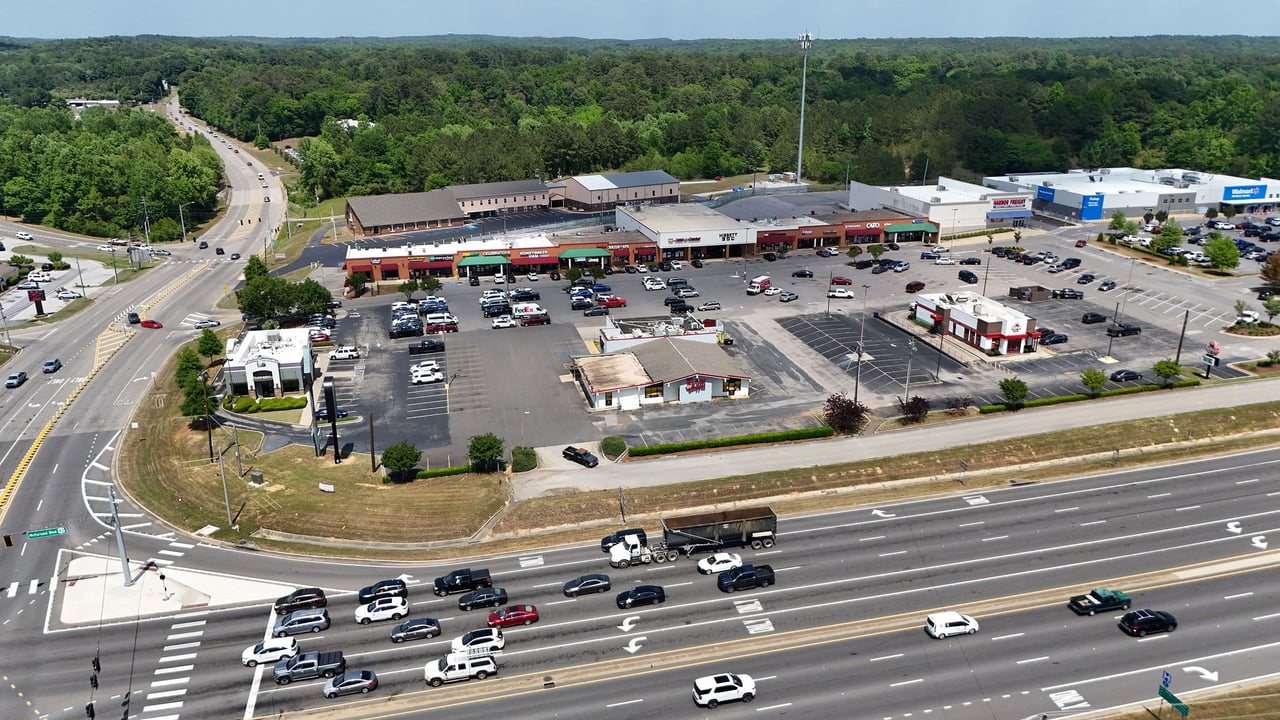
In Alabama markets with busy corridors, visibility can be helpful. But visibility alone is not enough. A highly visible space still needs parking, access, lease terms, and a layout that support the business.
Compare Parking and Access
Parking and access can make or break a retail location. If customers cannot enter, park, and leave easily, the location may create friction even if the rent and visibility look attractive.
Retail businesses should compare parking during the times their customers are most likely to visit. A parking lot may look open during a morning tour but feel crowded at lunch, after work, on weekends, or during nearby events.
Review:
- Number of parking spaces
- Ease of entrance and exit
- Shared parking with other tenants
- ADA accessibility
- Delivery access
- Traffic signal access or turn lanes
- Customer convenience during peak hours
- Whether employees will use customer parking
For service retail, medical retail, restaurants, salons, and appointment-based businesses, parking may matter as much as storefront visibility.
Compare Co-Tenancy and Nearby Businesses
Co-tenancy refers to the other businesses near your space. A strong tenant mix can support customer traffic, while a poor fit can limit visibility or create operational issues.
Good co-tenancy depends on the business. A coffee shop may benefit from office users and morning traffic. A fitness studio may benefit from convenient parking and nearby residential areas. A boutique may want complementary retail. A medical-adjacent user may want easy access and a professional setting.
Ask:
- Do nearby tenants bring the right customers?
- Are neighboring uses compatible with your business?
- Are there vacancies that affect the center’s activity?
- Are anchor tenants stable?
- Will nearby tenants compete directly?
- Do the surrounding businesses support repeat visits?
The goal is not just to be near traffic. The goal is to be near the right kind of traffic.
Compare Lease Structure and Total Cost
Retail leases are often structured differently than office leases. Many retail spaces involve base rent plus NNN charges, CAM expenses, property taxes, insurance, maintenance, utilities, and other operating costs.
Before comparing two retail spaces, make sure the costs are being compared the same way.
Ask:
- What is the base rent?
- Is the lease NNN, gross, or modified gross?
- What CAM charges apply?
- Are taxes and insurance passed through?
- Are expenses estimated monthly and reconciled later?
- Are there annual rent increases?
- Are there tenant improvement costs?
- Who pays for HVAC, plumbing, electrical, and maintenance?
- Are signage, utilities, trash, or grease trap costs separate?
A lower base rent may not mean a lower total cost. Businesses should compare the full monthly occupancy picture before deciding.
Compare Layout and Buildout Needs
Retail layout affects how customers move through the space and how efficiently the business can operate. A space with the right square footage may still need expensive improvements if the layout does not fit the use.
Compare:
- Storefront width
- Entry location
- Sales floor layout
- Storage space
- Restrooms
- Back-of-house area
- Kitchen or plumbing needs
- Electrical capacity
- HVAC condition
- Ceiling height
- Delivery access
- Existing finishes
- Required code or permit work
A former retail space may be easier to adapt than a space built for a completely different use. Restaurants, salons, fitness studios, medical users, and specialty retailers should be especially careful about buildout requirements.
Compare the Location’s Daily Reality
A retail location should be evaluated at more than one time of day when possible. Traffic, parking, neighboring activity, and access can feel different depending on timing.
Before signing, consider visiting the area during:
- Morning traffic
- Lunch periods
- After-work traffic
- Weekend shopping hours
- Nearby event times
- The business’s expected peak hours
This helps answer a practical question: will this location work when customers are actually trying to use it?
When Retail Space May Not Be the Right Fit
A retail space may not be the right fit if the location looks attractive but creates problems for the business model.
Warning signs include limited parking, weak signage, poor access, unclear lease costs, expensive buildout needs, incompatible neighboring tenants, use restrictions, or a layout that does not match daily operations.
A space may also be too large, too small, too hidden, or too dependent on traffic that does not match the customer base.
The best retail lease decision is not just about getting open. It is about choosing a space that can support the business after opening day.
Questions to Ask Before Leasing Retail Space
Before signing a retail lease in Alabama, ask:
- What is included in the rent?
- What costs are billed separately?
- Are NNN or CAM charges included?
- Is signage available and approved?
- Is parking sufficient for customers and employees?
- Are there use restrictions?
- What improvements are needed before opening?
- Who pays for buildout?
- Are utilities adequate for the business?
- What neighboring tenants affect customer traffic?
- Is delivery access practical?
- How long will approval, buildout, and move-in take?
- Can the space support growth?
These questions help businesses compare retail spaces based on fit, not just rent.
Find Retail Space With Right Space Commercial
Right Space Commercial helps businesses compare retail space, office space, warehouse space, flex space, industrial properties, commercial land, and other commercial real estate options across Alabama.
If you are looking for retail space in Tuscaloosa, Birmingham, Mobile, Northport, or surrounding markets, our team can help you review available options, compare lease considerations, and evaluate which spaces may fit your customers, operations, and budget.
Contact Right Space Commercial to compare retail space for lease in Alabama.
Frequently Asked Questions
What should I look for when leasing retail space?
Look for visibility, parking, access, signage, customer fit, neighboring tenants, lease structure, total occupancy cost, buildout needs, and whether the layout supports the business.
Is the lowest-rent retail space always the best option?
Not always. A lower-rent space may cost more over time if it has poor visibility, limited parking, expensive buildout needs, or higher pass-through expenses. Compare total occupancy cost and business fit.
What are CAM charges in a retail lease?
CAM charges are common area maintenance expenses. They may cover shared property costs such as parking lot maintenance, landscaping, exterior lighting, common areas, and other center-level expenses defined in the lease.
Why does parking matter so much for retail space?
Parking affects customer convenience. If customers cannot park easily, they may choose another business, especially for quick visits, appointments, restaurants, salons, medical retail, and service-based retail.
Can Right Space help compare retail locations?
Yes. Right Space Commercial can help businesses compare retail locations based on availability, customer access, parking, visibility, lease terms, buildout needs, and overall fit.