If you are thinking about opening a retail shop in Tuscaloosa, one thing becomes clear fast: this is not a one-size-fits-all market. You are serving year-round residents, a major university population, visiting families, alumni, and event traffic that can change the pace of business in a hurry. If you understand how the city works corridor by corridor, you can make better decisions about location, staffing, inventory, and day-to-day operations. Let’s dive in.
Tuscaloosa Retail Has Multiple Audiences
Running a shop in Tuscaloosa means serving a customer base with different habits and needs. The city’s estimated population was 114,316 as of July 1, 2025, with a median household income of $51,464, and total retail sales reached $2.56 billion in 2022. That points to a meaningful local spending base, but also one that may be selective about price and value.
The University of Alabama adds another major layer. The university reported 42,360 students in fall 2025 and a $3.4 billion annual economic impact in Alabama, with 42% of students coming from within the state. In practical terms, your customer mix may include students, parents, alumni, visitors, and local households, often all in the same week.
For a retail operator, that creates both opportunity and complexity. Some shoppers are browsing, some are buying for an event, and some are making a quick convenience stop. Your shop tends to perform better when your space, product mix, and hours match the traffic around you.
Location Changes the Business Model
Tuscaloosa’s retail market feels different depending on where you set up shop. The city generally splits into a few distinct operating environments, and each one supports a different kind of retail rhythm.
Downtown Tuscaloosa
Downtown is one of the city’s most visible browsing areas. Visit Tuscaloosa describes University Boulevard as the main spine, with a walk from the Federal Courthouse to Capitol Park that passes storefronts, eateries, and attractions. The area also includes Temerson Square and Greensboro Avenue, which support a mix of shopping and dining activity.
If your shop depends on walk-in traffic, short visits, or impulse purchases, downtown has a strong practical appeal. The area also benefits from a free downtown parking deck near University Boulevard and 22nd Avenue, plus street parking. For many retailers, that makes convenience and storefront visibility a big part of the operating equation.
Downtown also has a civic role in the city. Tuscaloosa’s planning framework identifies the Downtown Core as the civic heart of the city, which supports steady local relevance beyond a single season. Still, your success there often depends on presentation, hours, and making it easy for someone to stop in during a short trip.
The Strip
The Strip operates very differently. The University of Alabama describes it as a retail and nightlife district favored by students and visitors because of its close proximity to campus, and the area includes a grocery store along with shops selling UA apparel and merchandise.
For a retailer, that usually means faster traffic, more student influence, and stronger event sensitivity. If your concept lines up with campus-adjacent demand, such as convenience items, spirit-related merchandise, gifts, or quick-purchase products, the Strip may be the most natural fit. The tradeoff is that operations can become more intense during peak dates.
Football season especially shapes how the Strip feels. UA opened the Strip precinct in 2023 to improve safety, and both tourism and airport guidance recognize gameday traffic and parking as recurring issues. If you operate near campus, you need to plan for heavier crowds, tighter access, and a very different customer flow on big weekends.
Midtown Village and the McFarland Corridor
Midtown Village and the surrounding McFarland Boulevard and Veterans Memorial Parkway area fit a more drive-to shopping pattern. Visit Tuscaloosa describes Midtown Village as an open-air shopping center with popular stores, dining, and plenty of parking, while University Mall across the corridor offers indoor year-round shopping.
This part of the market tends to support planned trips more than casual strolling. If your concept depends on parking, easier loading, larger baskets, or weather-protected shopping, this corridor deserves serious attention. It often works better for businesses that need customers to arrive by car and stay long enough to make a more deliberate purchase.
The city’s planning framework notes that corridor-commercial development is typically accessed by automobile. That matters because a good retail site is not just about rent or square footage. It is also about how people actually reach your store, how easily they park, and how simple it feels to get in and out.
University Mall
University Mall has its own role in the market. Its site says it has served as West Alabama’s shopping destination for more than 40 years and offers a conventional indoor mall mix.
If you want indoor traffic, a climate-controlled setting, or adjacency to established shopping patterns, the mall may be worth a close look. The operating feel is different from both downtown and the Strip. For some shops, that consistency matters just as much as visibility.
Seasonality Is a Real Operating Issue
Tuscaloosa retail has clear seasonal swings, and they are not minor. If you run a shop here, your calendar matters almost as much as your address.
Football Weekends
Football Saturdays are one of the clearest traffic surges in the market. Gameday guidance from local tourism sources and the Tuscaloosa National Airport reflects recurring issues around traffic, arrival timing, parking, and crowd volume.
For a shop, that can mean strong sales upside, but only if you prepare for it. Inventory can move faster, staffing demands can jump, and pickup or parking can get harder for customers. If your location benefits from football traffic, you need a plan before the season starts, not after the first rush.
Back-to-School Shopping
Late summer is another major retail window. The Alabama Department of Revenue says the 2026 back-to-school sales tax holiday runs July 17 through July 19, and both Tuscaloosa city and Tuscaloosa County participate. Covered items include clothing, school supplies, and computers.
That timing matters because it lines up with student movement and fall preparation. Even if your shop does not sell traditional school items, the broader increase in local shopping activity can still affect traffic and staffing. For many retailers, July and August are operationally important months.
Graduation and Family Visits
University calendars also create recurring shopping windows in May, August, and December. Those periods often bring family visits, gift buying, and short-term increases in discretionary spending.
This kind of traffic is useful because it is predictable. If you know when people are coming, you can plan hours, merchandise, and labor more confidently. For smaller retailers, that kind of planning can protect both margins and customer experience.
Downtown Holiday Events
Holiday retail is another piece of the puzzle, especially downtown. Visit Tuscaloosa highlights the Tuscaloosa Retail Trail and Tinsel Trail as downtown shopping events, which signals stronger seasonal shopping activity than some operators may expect.
If your store is in or near downtown, this is not the time to operate passively. Seasonal merchandising, event awareness, and extended hours can matter. In a market like Tuscaloosa, holiday success often comes from preparation, not luck.
Daily Operations Depend on Access
One of the most overlooked parts of running a retail shop is how access affects sales. In Tuscaloosa, the same size store can perform very differently based on parking, road patterns, and foot traffic.
Downtown offers a free parking deck and street parking, which helps with short visits and browsing. Midtown Village and University Mall lean into parking and drive-in convenience. The Strip is close to campus, but it becomes much more event-sensitive on football weekends and other high-traffic dates.
That means you should evaluate space based on how your customers will actually shop. Are they walking in casually, making a quick stop, or planning a larger purchase? The right answer can help you choose the right corridor before lease terms are even discussed.
Sales Tax Setup Needs Attention Early
Retail operators in Tuscaloosa also need to think carefully about tax setup. According to current Alabama Department of Revenue rate tables, Tuscaloosa City general sales and use tax is 3.0%, while Tuscaloosa County general sales and use tax is 6.0% outside city limits.
That does not mean every site is simple to classify. Alabama uses different locality codes inside city limits and in police jurisdictions, so the exact address should be verified before opening. This is one of those details that is easier to handle upfront than after you have signed a lease and started operations.
What a Good Retail Space Should Do
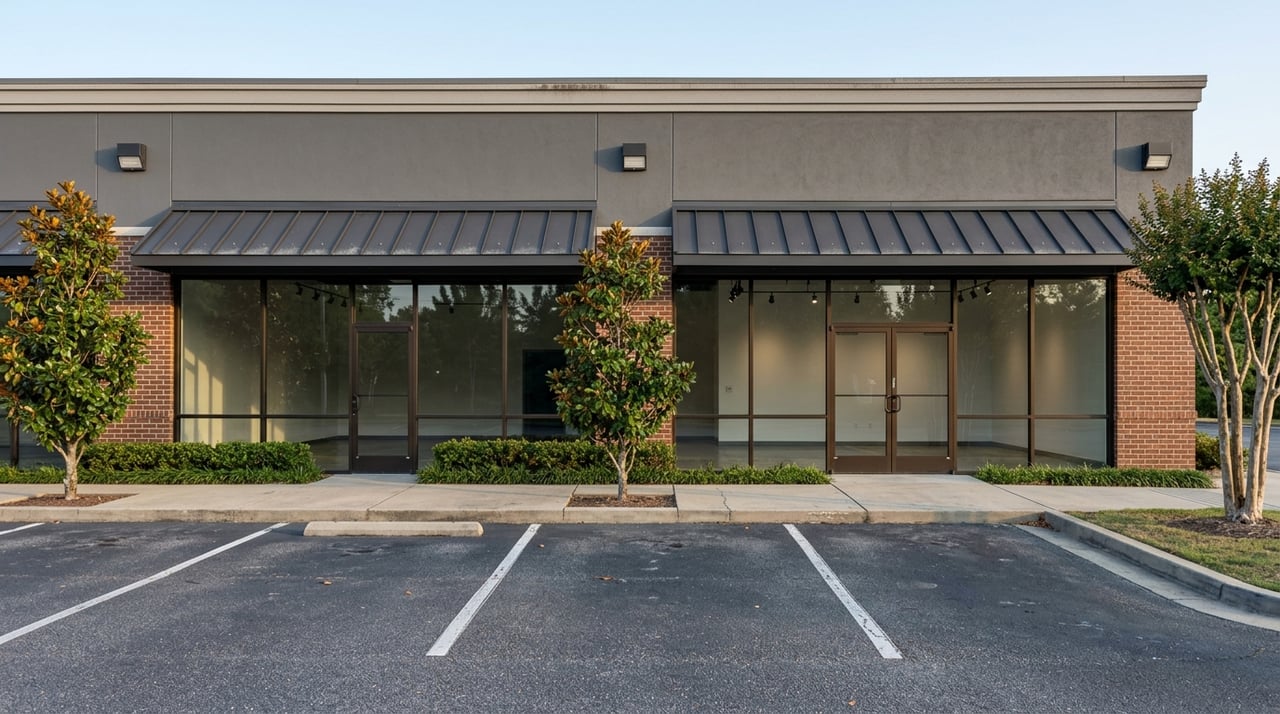
A retail space in Tuscaloosa should do more than give you square footage. It should support the way your business actually runs.
When you tour space, focus on practical fit:
- Visibility from the road or sidewalk
- Ease of parking and access
- Match between your concept and nearby traffic
- Seasonal pressure points like gamedays or holidays
- Space for inventory, pickup, or customer flow
- A location that fits your hours and staffing model
These factors may sound basic, but they shape your operating costs and sales potential every day. A shop that is hard to access or mismatched to local traffic can create friction that never really goes away.
Why Tuscaloosa Can Work Well
Tuscaloosa offers something many retail markets do not. It combines a stable local population, a major university presence, recognizable shopping corridors, and predictable seasonal spikes.
That mix can be very attractive if you choose your space carefully. Downtown supports browse-friendly shopping, the Strip connects to campus and visitor energy, and Midtown Village plus University Mall serve drive-to destination trips. The best location for your shop depends on how you expect customers to find you, visit you, and buy from you.
Running a retail shop in Tuscaloosa can be busy, seasonal, and highly location-driven. It can also be a strong market for operators who plan ahead, understand the calendar, and choose space based on real customer behavior instead of guesswork.
If you are weighing locations, comparing corridors, or trying to understand what a retail site needs to do for your business, Richard Henry can help you find your space.
FAQs
What makes Tuscaloosa different for retail shop owners?
- Tuscaloosa combines local resident demand with University of Alabama student traffic, visiting families, alumni, and event-driven shoppers, so customer patterns can change by season and location.
What is the best retail area in Tuscaloosa for walk-in traffic?
- Downtown Tuscaloosa is the clearest fit for walk-in browsing, short visits, and impulse stops because of its storefront concentration, walkable layout, and nearby parking options.
What should retail tenants know about the Strip in Tuscaloosa?
- The Strip is closely tied to campus activity and visitor traffic, which can be a strong fit for convenience-oriented retail, gifts, and spirit-related merchandise, especially during football season.
Why do Midtown Village and University Mall feel different from downtown?
- Midtown Village and University Mall are more drive-to retail environments with stronger parking access, which can work better for planned shopping trips and customers arriving by car.
When are the busiest shopping periods for Tuscaloosa retailers?
- Key busy periods include football Saturdays in the fall, the back-to-school sales tax holiday in July, university-related family visit windows in May, August, and December, and downtown holiday shopping events.
What tax detail should a new Tuscaloosa retail tenant verify before opening?
- You should verify the exact address and applicable locality code because city-limit and police-jurisdiction differences can affect how sales and use tax is set up for the business.