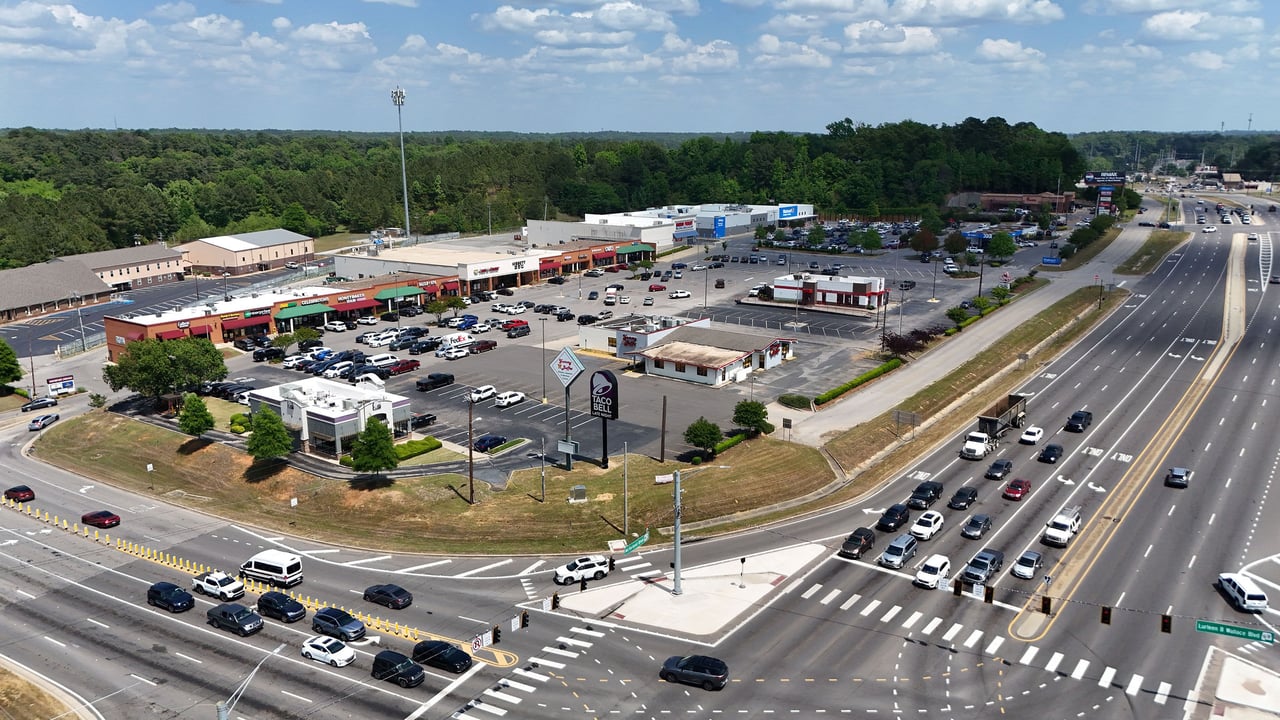
If you're thinking about selling a commercial property, you may be wondering what needs to happen before it goes on the market. Do you need an updated survey? Should you make repairs first? What financial records will a buyer want to see?
The good news is that you don't need to have everything figured out before contacting a commercial real estate broker. However, getting organized early can make a significant difference once you begin marketing the property and negotiating with potential buyers.
From property records and financial information to pricing and physical condition, here's what commercial property owners should consider before putting their property up for sale.
Start With the Basic Property Information
When preparing to sell commercial real estate, one of the first steps is gathering the information that helps your broker understand the property and identify potential obstacles.
Some of the most useful items to have available include:
- Property survey: An existing survey showing boundaries, easements, and improvements.
- Mortgage information: Details about any outstanding loans or liens against the property.
- Current leases and rent roll: If the property has tenants, documentation showing rental income and existing lease agreements.
- Property reports: Any recent inspections, environmental reports, or other evaluations.
- Known property issues: Information about maintenance concerns, needed repairs, or other conditions that could affect a sale.
You don't necessarily need every document on day one. The initial goal is to understand what you're selling and identify anything that could become an issue later.
Getting this information together early can also help your broker determine what additional documentation may be needed as the transaction progresses.
Selling a Tenant-Occupied Property? Your Financial Records Matter
If you're selling an income-producing commercial property, buyers will be evaluating more than the building itself. They'll also want to understand the income it generates and the financial obligations that come with ownership.
Two of the most important documents are the rent roll and existing lease agreements.
These help a potential buyer evaluate several important details, including:
- Current rental income and occupancy
- Lease expiration dates and renewal options
- Outstanding tenant delinquencies
- Security deposits that must be accounted for at closing
- Operating expenses and maintenance responsibilities
- Landlord obligations under existing leases
For example, a property with several long-term tenants may appeal to a different buyer than one with multiple leases expiring in the next year. Understanding those details helps buyers evaluate the potential income and risks associated with the investment.
Accuracy matters here. Discrepancies between the advertised rental income and what the leases actually show can create problems when buyers begin reviewing the property's financial performance.
Do You Have to Share All This Information With Buyers?
Not immediately.
Sensitive financial records and complete lease agreements generally aren't provided to every person who expresses interest in a property.
That information is typically shared with serious, qualified buyers, often as negotiations progress or during the due diligence process. Your broker can help determine what should be made available and when.
The important thing is to have the information organized and ready when it's needed.
Make Sure the Property Presents Well
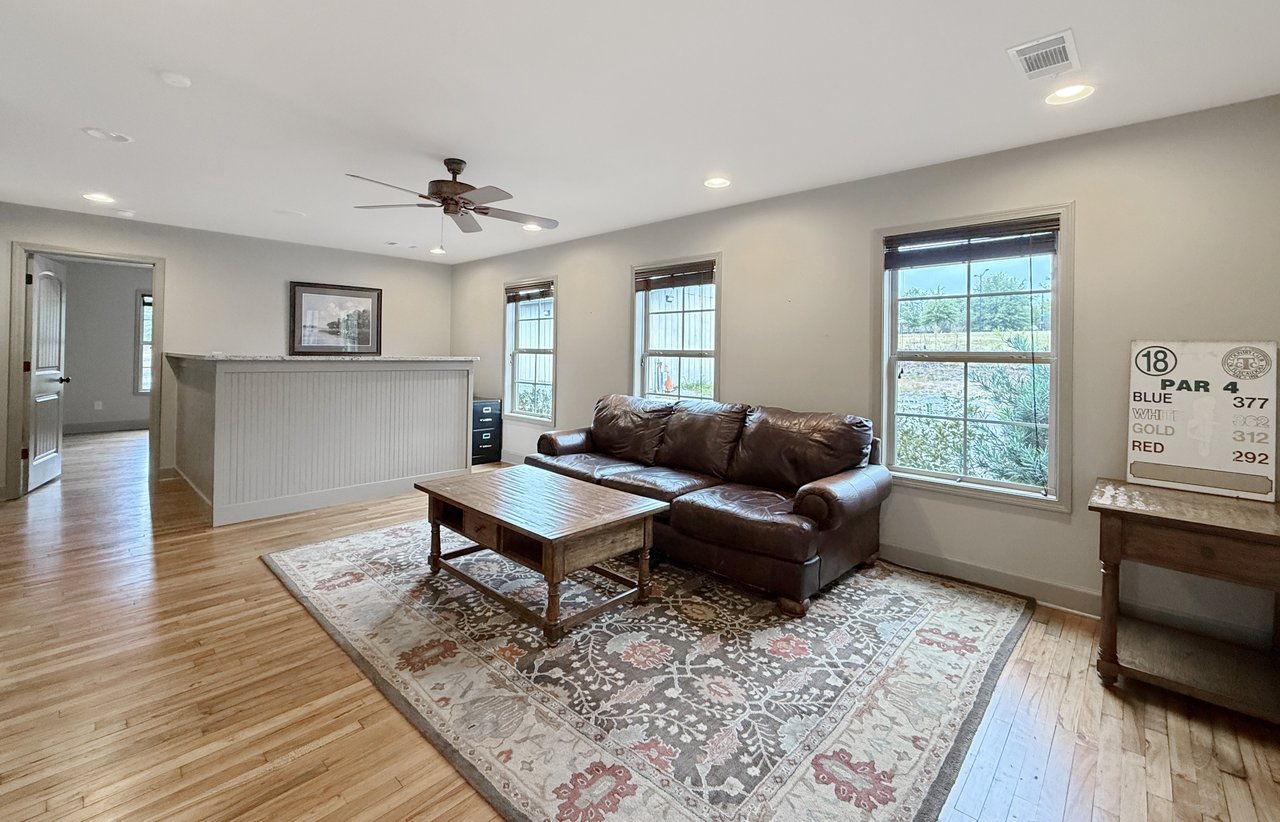
Even in commercial real estate, first impressions matter.
A buyer touring a property is already evaluating how much work and money may be needed after the purchase. Visible maintenance problems can quickly add to those concerns.
Before listing, start with relatively simple improvements:
- Remove debris and unnecessary items.
- Trim overgrown landscaping and address weeds.
- Clean the exterior and common areas.
- Touch up paint where needed.
- Address obvious leaks, damage, or maintenance issues.
- Service HVAC systems and other equipment as appropriate.
These improvements don't have to be expensive to make a difference.
A clean, well-maintained property allows prospective buyers to focus on the building and its potential rather than immediately making a mental list of problems.
Should You Make Major Repairs Before Selling?
Not necessarily.
While obvious maintenance issues are worth addressing, major renovations and capital improvements require more consideration.
For example, spending a significant amount of money renovating an interior may not make sense if the eventual buyer plans to reconfigure the entire space.
The same principle applies to larger expenses involving roofing, HVAC systems, or other building components. Depending on the property's condition and market position, it may make more financial sense to account for those issues in the asking price rather than completing every improvement beforehand.
Before committing to a major project, discuss the potential return with your broker. The goal is to make the property marketable without spending money you're unlikely to recover through the sale.
Review Surveys, Title Issues, and Other Potential Obstacles
Some of the biggest challenges in commercial real estate sales have little to do with how a property looks.
Property boundaries, easements, encroachments, and unresolved title issues can all create complications once a buyer begins due diligence.
For example, an addition that extends across a property line may present problems for a lender. An easement could limit how a buyer intends to use the property. An old lien may need to be resolved before a sale can close.
These issues aren't always obvious during a property tour.
If you have an existing survey or documentation related to easements and property access, make it available to your broker early in the process. Even older records may help identify questions that need further investigation.
Maintenance records can also be useful, particularly if a buyer raises concerns about the condition of the roof, HVAC systems, or other major components.
While not every document is required to sell a property, having good records can reduce uncertainty and make it easier to address questions as they arise.
When you list with Right Space Commercial, we typically handle professional property photography and floor plans as part of the marketing process, so those aren't necessarily items you need to arrange beforehand.
Understand What Your Commercial Property Is Worth
One of the most important decisions before listing is determining a realistic asking price.
Three major factors influence a commercial property's marketability: price, condition, and location.
You can't change where your property is located, but you can influence how it is presented and how competitively it is priced.
Determining the right asking price requires more than looking at what similar properties have sold for in the past.
Your broker should also evaluate what's currently available in the market. Those active listings represent the alternatives buyers are considering.
Some important questions include:
- What are comparable properties currently asking?
- How does your property's condition compare?
- How long have competing properties been on the market?
- What prices are similar properties actually selling for?
- What income and return could an investor reasonably expect?
For income-producing properties, rental income, operating expenses, occupancy, and the investment's potential return become especially important.
A property needing significant repairs generally shouldn't be priced as though it's in excellent condition. Buyers will consider those future expenses when evaluating what they're willing to pay.
The objective isn't simply to establish the highest possible asking price. It's to find a price supported by the market that attracts qualified buyers and gives the property a realistic opportunity to sell.
Be Prepared for the Sales Process to Take Time
One thing commercial property owners sometimes underestimate is how long a transaction can take.
Commercial real estate sales can involve several stages of investigation and approval, particularly when buyers need financing or have specific plans for the property.
Depending on the transaction, these may include:
- Property inspections and environmental assessments
- Surveys and title reviews
- Financing and lender requirements
- Due diligence negotiations
- Permitting and licensing considerations
Some transactions move relatively quickly. Others, particularly those involving complicated circumstances or specialized properties, can take 12 to 18 months or even longer.
That doesn't mean every commercial property takes that long to sell. The timeline depends on the property, buyer, market conditions, and structure of the transaction.
Understanding that uncertainty upfront can help owners make better decisions about their selling timeline.
What Happens if a Buyer Tries to Renegotiate?
Another possibility sellers should understand is something known as a retrade.
A retrade occurs when a buyer attempts to renegotiate the purchase price, request additional concessions, or extend the transaction timeline after initially agreeing to terms.
Sometimes this happens because due diligence uncovers legitimate issues, such as an unexpected roof replacement, environmental concern, or discrepancy in the property's financial records.
Other times, it may simply be another negotiation tactic.
Either way, these requests can catch owners off guard, especially when they're already mentally preparing for closing.
Having accurate records, understanding the property's condition, and anticipating potential issues can put a seller in a stronger negotiating position.
An experienced commercial real estate broker can help evaluate those requests, protect the seller's interests, and work toward a solution when it makes sense.
You Don't Have to Have Everything Ready Before Calling a Broker
Preparing to sell commercial property doesn't mean you need to spend months collecting documents, completing repairs, and figuring out a price on your own.
In fact, it's often better to start the conversation earlier.
Your broker can help determine which documents are important, what improvements are worth considering, how the property compares to competing listings, and what potential issues should be addressed before marketing begins.
Taking that approach can help avoid unnecessary expenses and keep you from spending time on preparations that may not actually improve your chances of selling.
The earlier you begin planning, the more options you have when you're ready to move forward.
Thinking About Selling Commercial Property in Alabama?
Whether you own a vacant commercial building, a tenant-occupied investment property, or commercial land, preparing for a sale starts with understanding the property and your goals.
At Right Space Commercial, we work with commercial property owners throughout Alabama to evaluate their properties, develop pricing strategies, prepare listings, and navigate the sales process.
You don't need to have every document in hand or every decision made before reaching out.
If you're considering selling, contact Right Space Commercial to discuss your property and what the next steps might look like.