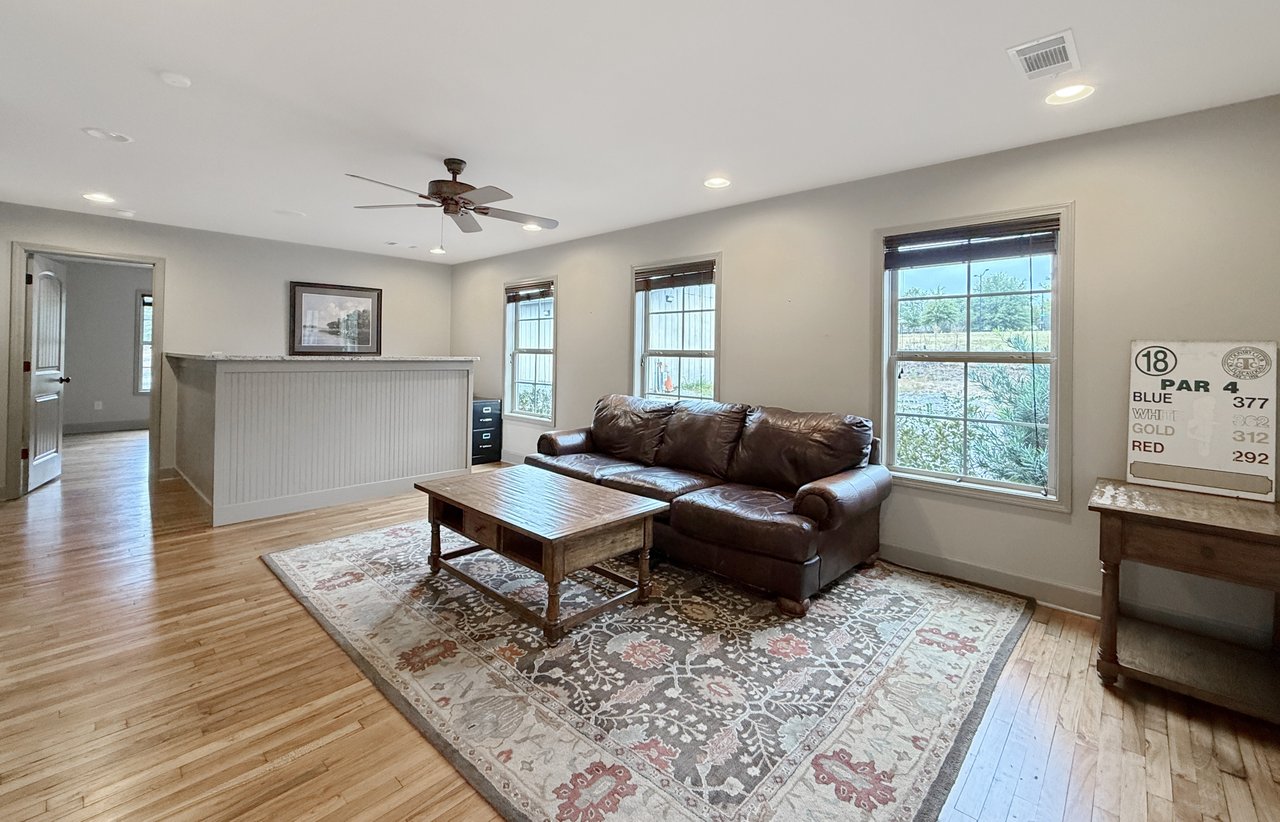
When a commercial property sits vacant longer than expected, there is rarely one universal explanation. Pricing, condition, layout, lease structure, competition, tenant fit, and how the property is marketed can all affect leasing activity.
Current market conditions also make it important to evaluate each property individually. For example, Birmingham’s Q2 2026 office vacancy ranged from 9.8% in Midtown to 28.9% along Highway 280/I-459, while industrial occupancy ranged from 86.9% to 94.8% depending on the submarket.
For an owner, that means simply hearing that the “market is slow” does not provide enough information. The better question is why prospects are choosing other properties instead of yours.
Start With How Your Property Competes
Owners should begin by comparing their property with the alternatives a prospective tenant is likely to see during the same search.
What to Compare | Questions to Ask |
|---|---|
Asking rent | Is it competitive with similar properties nearby? |
Total occupancy cost | What will the tenant actually pay after other expenses? |
Condition | Is the space close to move-in ready? |
Layout | Does the existing configuration fit likely users? |
Parking and access | Can employees, customers, deliveries, or trucks use the property easily? |
Lease structure | Are the term and responsibilities competitive? |
Marketing | Can prospects quickly understand what the property offers? |
A property does not have to be the cheapest option available, but it does need to provide enough value to justify its overall cost and any compromises a tenant would be making.
Is the Asking Rent Really Competitive?
Owners often compare asking rents on a dollar-per-square-foot basis, but tenants may be evaluating the total cost of occupying the property.
Consider a simplified example. A 5,000-square-foot space asking $18 per square foot annually represents $90,000 in annual base rent, or $7,500 per month, before additional expenses.
If that space remains vacant for three additional months, that represents $22,500 in missed base rent.
That does not automatically mean an owner should reduce the asking rate. It does show why the cost of continued vacancy should be considered alongside possible adjustments to rent, concessions, improvements, or lease structure.
Pricing also varies significantly by location. In Birmingham’s Q2 2026 office market, average quoted rates ranged from $17.60 per square foot in Vulcan/Oxmoor to $28.66 in Midtown.
A useful rent comparison should therefore account for location, condition, amenities, lease structure, and competing inventory rather than relying on a metro-wide average.
Is the Space Ready Enough for the Tenant You Want?
Property condition becomes particularly important when a tenant would need to spend significant money before opening.
Cushman & Wakefield’s 2026 Americas Office Fit Out Cost Guide reported an average office fit-out cost of $149 per square foot across the markets it studied. Actual Alabama costs will vary by project, but the figure illustrates how quickly substantial interior work can become expensive.
Tenants may be considering flooring, paint, walls, electrical work, HVAC modifications, plumbing, restrooms, accessibility improvements, specialized equipment, and the time required to complete those changes.
Owners do not always need to renovate a property before marketing it. They should understand what work a likely tenant would need and be prepared to discuss how improvements could be handled within a lease.
Does the Layout Match Likely Tenants?
Square footage alone does not determine whether a space is usable.
A 5,000-square-foot warehouse with 4,500 square feet of warehouse area and 500 square feet of office serves a very different user than a building divided evenly between office and warehouse.
Industrial and office-warehouse users may be evaluating clear height, loading, truck access, power, office-to-warehouse ratio, yard space, and circulation. Office users may care more about private offices, conference rooms, reception space, restrooms, parking, and how easily the existing layout can support their staff.
If prospects consistently like the location and pricing but lose interest after seeing the floor plan, the layout may be limiting the tenant pool.
Is the Property Being Marketed Clearly to the Right Tenant?
A strong commercial listing should help the right business quickly recognize whether the property could work.
Instead of describing a space only as “5,000 square feet available for lease,” the marketing should explain how the space functions and what types of businesses may be a fit.
A small office-warehouse with private offices, a roll-up door, and convenient highway access may appeal to contractors, service companies, distributors, or other businesses that need both administrative and operational space. A highly visible retail suite with signage and easy parking serves a very different audience.
Listings should also make basic property details easy to find, including:
- Available square footage
- Property type and location
- Parking and access
- Loading capabilities
- Signage opportunities
- Major property features
- Whether spaces can be divided or combined
- Asking rate or lease structure when available
- Current photos
- Move-in condition or expected improvements
If a prospect cannot quickly determine whether the property might work, they may move on before ever contacting the owner or broker.
What Is Your Leasing Activity Telling You?
One of the best ways to diagnose a leasing problem is to look at where prospects are dropping out of the process.
What You’re Seeing | What May Be Worth Investigating |
|---|---|
Listing views but few inquiries | Pricing, photos, description, or tenant fit |
Inquiries but few tours | Information learned after the inquiry may be eliminating the property |
Regular tours but little follow-up | Condition, layout, pricing, access, or competing properties |
Interest but no proposals | Economics or lease structure may be creating hesitation |
Proposals that repeatedly fall apart | Improvements, timing, credit, or deal structure may need review |
These are signals rather than hard rules. One prospect may dislike a property for a very specific reason. Repeated feedback is more useful.
If five different businesses tour a space and four mention the same concern, that pattern deserves attention.
Could the Lease Structure Be Creating Friction?
A tenant can like the property and still hesitate because of the proposed lease.
Depending on the property and business, potential sticking points may include:
- Lease term
- Renewal options
- Tenant improvement responsibilities
- Operating expenses
- Maintenance responsibilities
- Personal guarantees
- Move-in timing
- Expansion options
- Signage
- Free rent or other concessions
Owners still need to protect the economics of the property, but understanding where qualified prospects consistently hesitate can help determine whether there is room for a structure that works for both sides.
When Should an Owner Change the Strategy?
A commercial property may warrant a closer review when the same leasing pattern continues without improvement.
Possible adjustments could include:
- Reassessing the asking rent
- Updating photos and listing information
- Completing targeted property improvements
- Changing how the space is positioned
- Targeting different tenant types
- Dividing or combining spaces when practical
- Revisiting lease terms or concessions
- Improving signage or curb appeal
- Expanding the property’s marketing exposure
The right adjustment depends on where the problem actually occurs.
Adding more advertising may accomplish very little if a listing already receives attention but prospects repeatedly reject the space after touring it. Reducing rent may also accomplish little if the real issue is a layout that does not fit the businesses being targeted.
The goal is to identify where the leasing process is breaking down and respond to that specific problem.
Need Help Leasing a Commercial Property in Alabama?
Right Space Commercial works with commercial property owners in Tuscaloosa, Birmingham, Mobile, and surrounding Alabama markets.
Our commercial leasing team works with office, retail, warehouse, flex, industrial, and other commercial properties. We help owners evaluate how a property is positioned, identify likely tenant types, market available space, coordinate inquiries and tours, gather market feedback, and work through the leasing process with qualified prospects.
If your commercial property has been sitting vacant longer than expected, learn more about our commercial leasing services or contact Right Space Commercial to discuss the property.