One of the first questions many commercial property owners ask before bringing a space to market is whether they should spend money improving it first.
In many cases, the answer is yes. But that does not necessarily mean completing a major renovation.
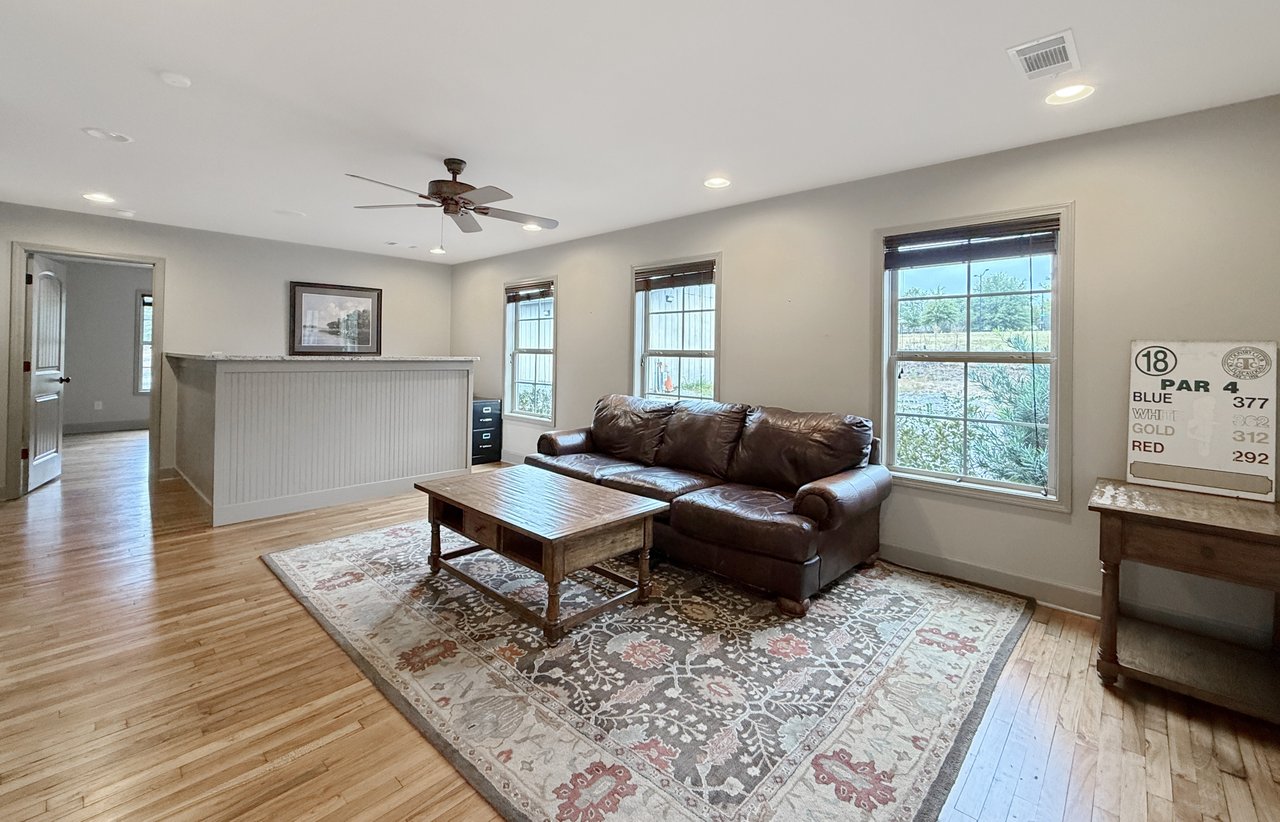
The better question is whether the property is ready for a prospective tenant to picture their business operating there. Before recommending improvements, we typically look at the property through the eyes of the future user. Would an owner feel comfortable bringing employees, customers, vendors, or clients to this property? Are there obvious maintenance concerns? Can the business use the property efficiently?
The goal is not to create the nicest building in the market. It is to remove unnecessary objections and make the property functional, reliable, and competitive. Property condition is also only one part of the equation. Pricing, positioning, tenant fit, and market competition can all affect why a commercial property struggles to lease.
Start With the First Impression
Some of the highest-value improvements are also some of the simplest.
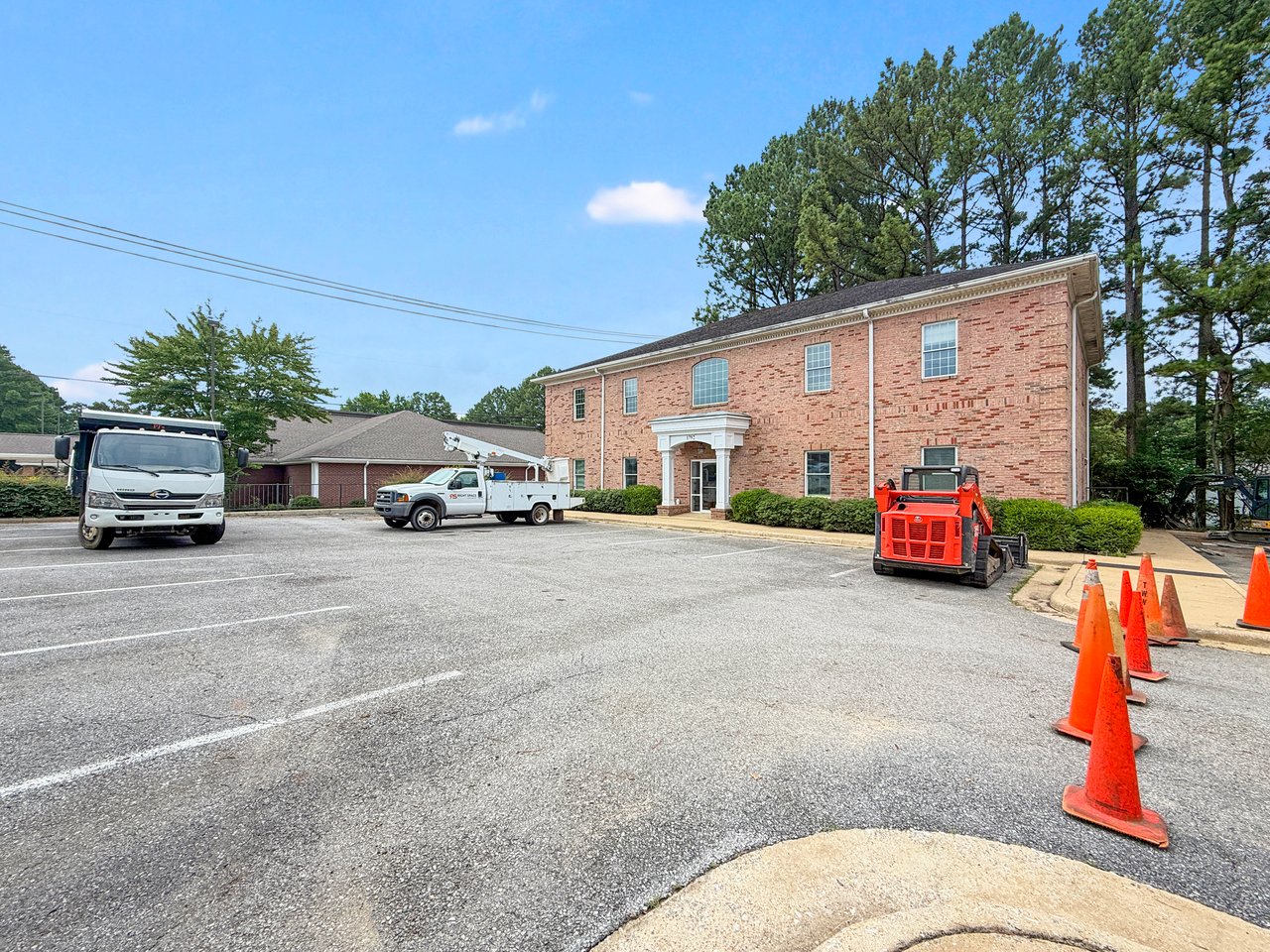
A commercial property does not need to be brand new, but it should look like it has been cared for. Before spending money on major renovations, owners should take care of basic presentation.
That can include:
- Removing junk and debris
- Thoroughly cleaning the property
- Pressure washing exterior surfaces
- Touching up or repainting faded areas
- Replacing burned-out lights
- Cleaning up landscaping and exterior areas
A thorough cleaning alone can make a noticeable difference. Prospective tenants begin forming an opinion about a property before they ever walk through the front door, and poor maintenance can create questions about what other problems might be waiting inside.
If exterior paint is badly faded or peeling, repainting can also be a relatively straightforward way to improve curb appeal without committing to a larger renovation.
Fix Functional Problems Before Cosmetic Ones
One of the biggest mistakes owners can make is spending heavily on cosmetic improvements while ignoring basic operational issues.
A prospective tenant may overlook an outdated finish. They are much less likely to overlook an HVAC system that does not work, a leaking roof, or a roll-up door they cannot operate.
Before marketing a property, owners should pay particular attention to items such as:
- HVAC systems
- Roofing
- Plumbing
- Electrical systems
- Roll-up and overhead doors
- Exterior and interior lighting
- Parking and drive areas
- Other deferred maintenance
Documentation can help too. If HVAC units have recently been serviced or major building components have been maintained, keeping those records available can help answer questions during the leasing process.
The roof deserves particular attention. Tenants want confidence that their inventory, equipment, employees, and operations will be protected from water intrusion. Evidence that the roof has been maintained and does not have active leaks can eliminate a major concern early.
The same principle applies to warehouse doors. Prospective industrial users frequently want to operate roll-up doors during a property tour. A door that does not open properly may seem like a relatively small repair, but it can immediately create questions about the overall condition of the property.
Do Not Overlook Access, Parking, and Lighting
For industrial, warehouse, and flex properties, functionality often matters more than finishes.
A property owner should consider how easily the future tenant can actually use the site.
Can employees get in and out easily? Is there adequate parking? Can delivery vehicles maneuver through the property? Can a tractor-trailer enter, turn, load, and leave without creating operational problems?
If pavement is deteriorating or truck access is difficult, tenants may immediately begin thinking about the inconvenience and potential cost associated with the property.
Lighting is another improvement that is easy to underestimate.
Adequate exterior lighting can improve visibility, security, safety, and the overall perception of a property. Converting older fixtures to LED lighting or adding wall packs in poorly lit areas may be a relatively modest improvement that makes the property show better while also improving energy efficiency.
Improve the Property for the Most Likely User
There is no universal improvement checklist because different commercial property types attract users with different priorities.
Office tenants generally expect a clean, professional environment with major maintenance issues already addressed.
Retail tenants tend to place greater emphasis on customer access, parking, visibility, lighting, and signage opportunities.
Industrial and warehouse users usually care more about functionality. Truck access, loading, doors, clear operational areas, utilities, restrooms, and usable office space can matter much more than decorative finishes.
For some warehouse properties, adding a reasonable amount of heated and cooled office space can significantly increase the number of businesses that can use the property. As a general guideline from what we see in the market, office areas around 10% to 15% of the overall space can work well for many users, depending on the building and target tenant.
Warehouse users may need those areas for management, dispatching, customer meetings, or administrative work even when the warehouse itself is the primary reason they are leasing the property.
Something as basic as a functional restroom can also expand the potential tenant pool. In certain service-oriented properties, features such as a shower may even be useful for employees working primarily in the field.
The important part is not adding features simply because they sound appealing. It is understanding who is realistically likely to lease the property and making improvements that support how that business would operate.
Know When to Wait for the Tenant
Not every improvement should be completed before a tenant has been identified.
Highly specialized buildouts are one of the clearest examples.
If an owner does not yet know whether the future tenant will need private offices, open workspace, specialized electrical service, a particular floor plan, or other business-specific improvements, completing that work in advance can mean spending money on something the eventual tenant does not want.
In those situations, it may make more sense to negotiate the improvements as part of the lease or provide a tenant improvement allowance.
There are also situations where the landlord may prefer to handle the work. An owner with existing contractor relationships, favorable vendor pricing, or in-house construction capabilities may be able to complete improvements more efficiently than the tenant.
The right structure depends on the property, the tenant, the lease, and the work being considered. These decisions can also become part of the broader commercial leasing and negotiation process once a property is brought to market.
So, How Much Should You Spend?
There is no dollar amount or percentage that works for every commercial property. For some owners, the bigger question is whether the property should be improved, leased as-is, repositioned, held, or sold.
Instead, consider each potential improvement by asking three questions:
Will this make the property more functional?
Will it make the property easier to market?
Will it make the property attractive to a larger pool of realistic tenants?
If the answer is yes, the improvement may be worth considering.
If the improvement is highly specific to a future tenant, purely cosmetic, or unlikely to change how the property competes in the market, it may be better to wait.
Commercial tenants are usually not looking for perfection. They want confidence that the property will allow them to operate their business successfully.
For owners, that means the best pre-leasing improvements are often the ones that remove uncertainty. Take care of maintenance, improve the property's presentation, solve obvious functional problems, and make thoughtful improvements based on the types of businesses most likely to use the space.
Spending more does not automatically make a property easier to lease. Spending in the right places can.
Thinking about leasing your commercial property? Right Space Commercial can help you evaluate the space, identify the improvements that are most likely to matter to prospective tenants, and avoid spending money where it may not add value. Learn more about our commercial leasing services for property owners, or contact our team to discuss your property and the best path to getting it market-ready and leased.